
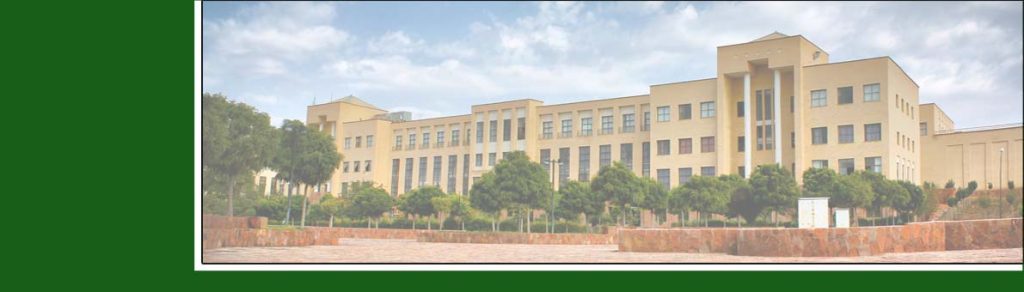

Total area on campus covered in forest and planted vegetation
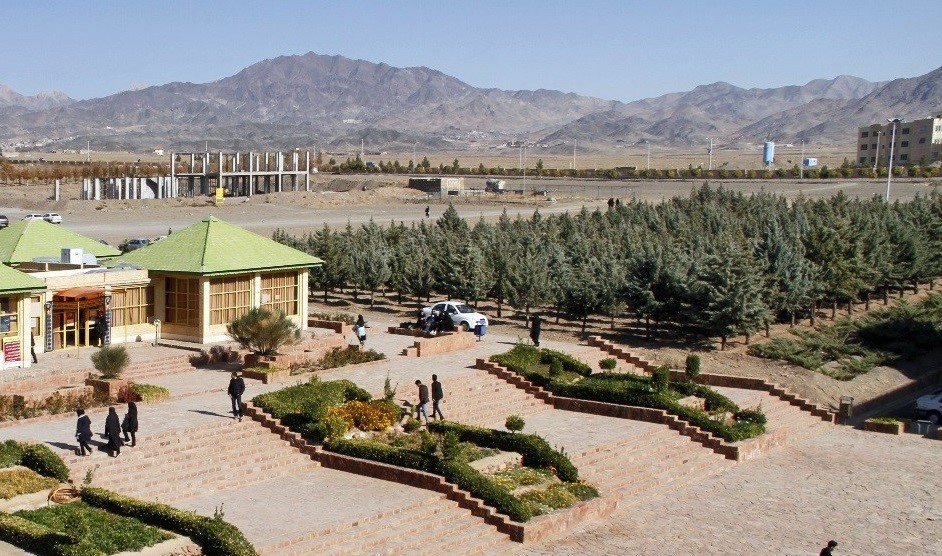
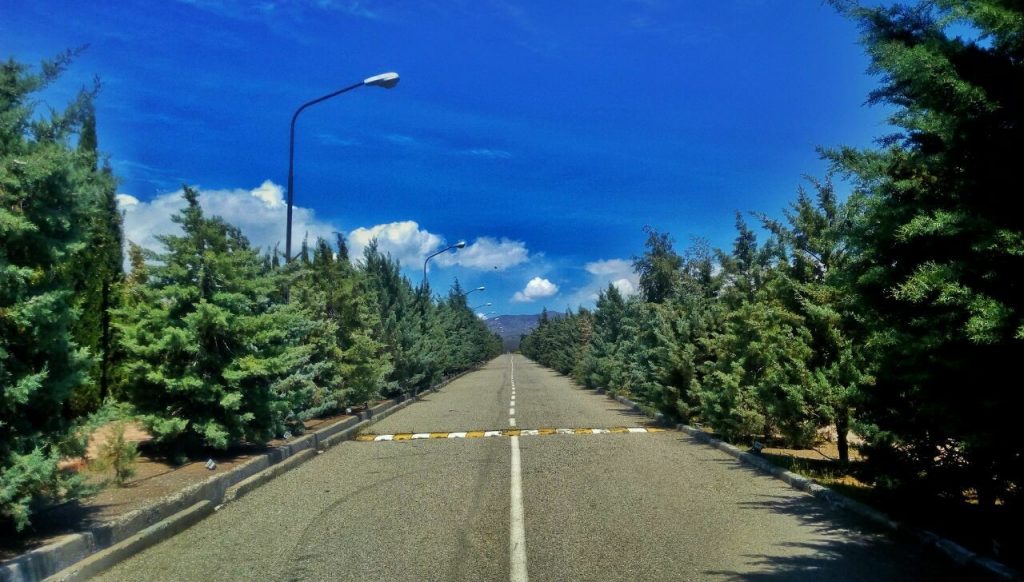
The total area covered in forest vegetation: 213000 m2.
Ratio of The total area covered in forest vegetation to the total area: 28.2.
Hakim Sabzevari University is in region of Iran that has cold semi-arid climate and face the problems of water deficit stress. This leads to implementation the following programs:
- Gradual removal of high-water requirement species and replacement with low-water requirement and drought-resistant species including: Pine, cypresses, chinaberry, etc.
- Modify the structure of the existing forest vegetation area by replacing high water requirement trees such as hornbeam and forest acacia species with drought-resistant species such as Golden rain, Koelreuteria paniculata, Morus alba, and Eleagnus pungens for shading and planting in the margins.
- Creating economic efficiency for green space using resistant, fruitful, and ornamental species such as grape, elm, almond, white berry, and blackberry on a trial basis (for example, 350 grape sapling were experimental planted along the paths leading to the students’ dormitory).
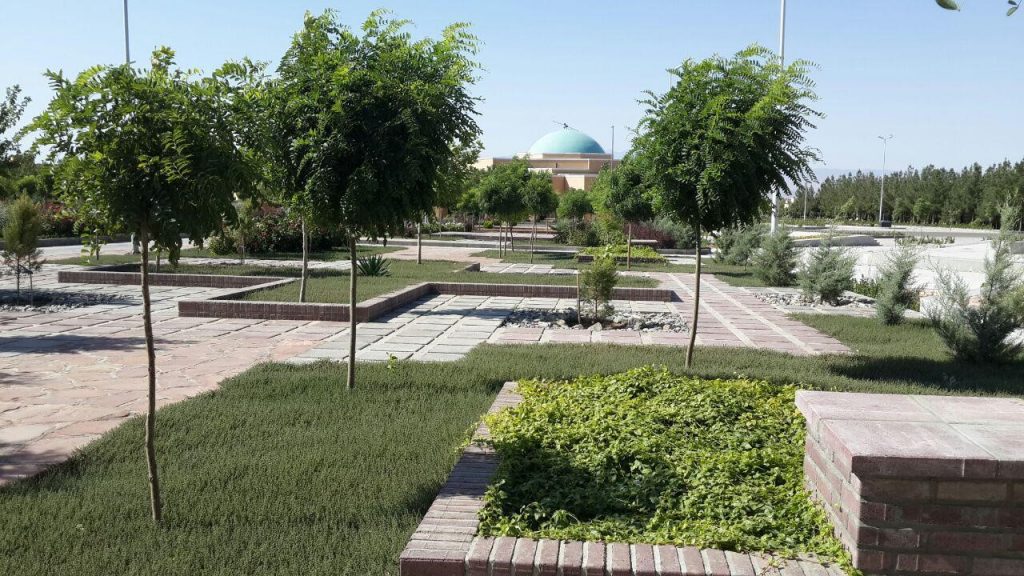
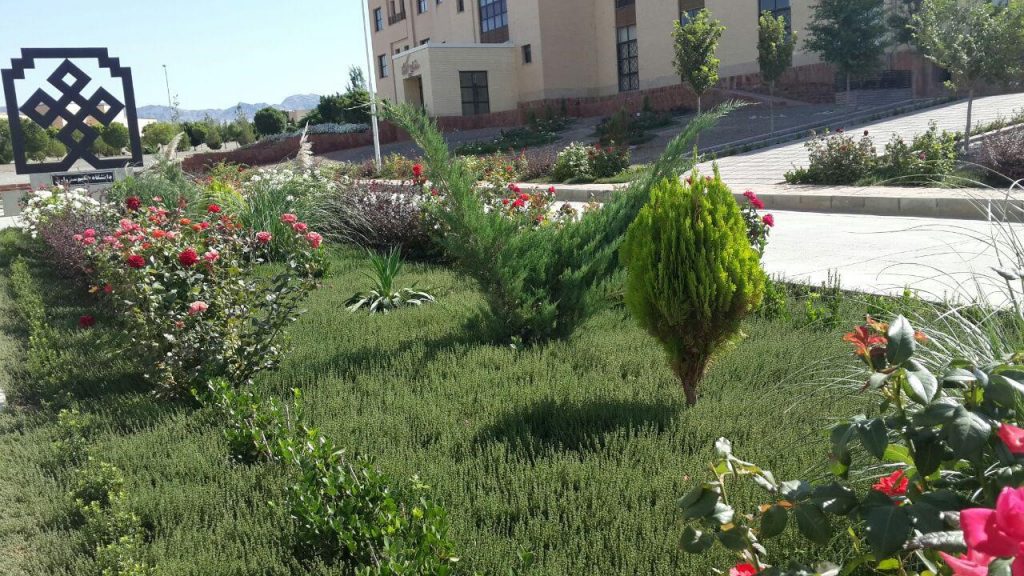
The total area covered in planted vegetation: 77400 m2
Ratio of The total area covered in planted vegetation to the total area: 10.2
Hakim Sabzevari University is in region of Iran that has cold semi-arid climate and face the problems of water deficit stress. This leads to implementation the following programs:
- Gradual removal of high-water requirement species and replacement with low-water requirement and drought-resistant species including: Festuca ovina gluca, Pennisetum alopecuroides, Cerastium Tomentosum, Phlox douglasii, Rosmarinus officinalis, Lavandula angustifolia, Oenothera speciosa,
- Removing grass and using plants such as frankenia in landscaping or colored sand in some areas with the aim of maintaining the soil, maintaining soil moisture and proper landscaping.
- Transition from traditional irrigation to modern and mechanized irrigation. According to the climate of Sabzevar city, drip irrigation has been used more widely (This irrigation system has been used in most areas of the university green space – about 250,000 m2)
Energy Efficient Appliances Usage
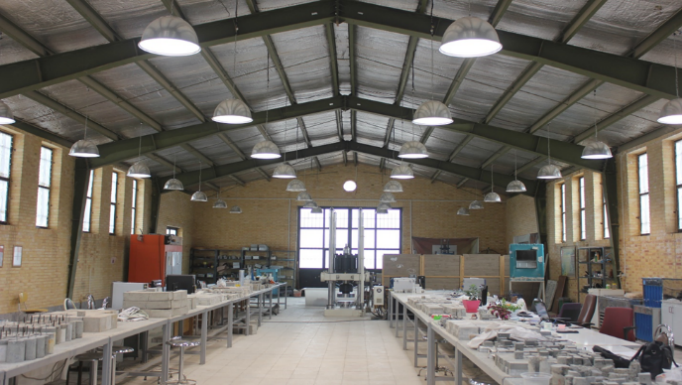
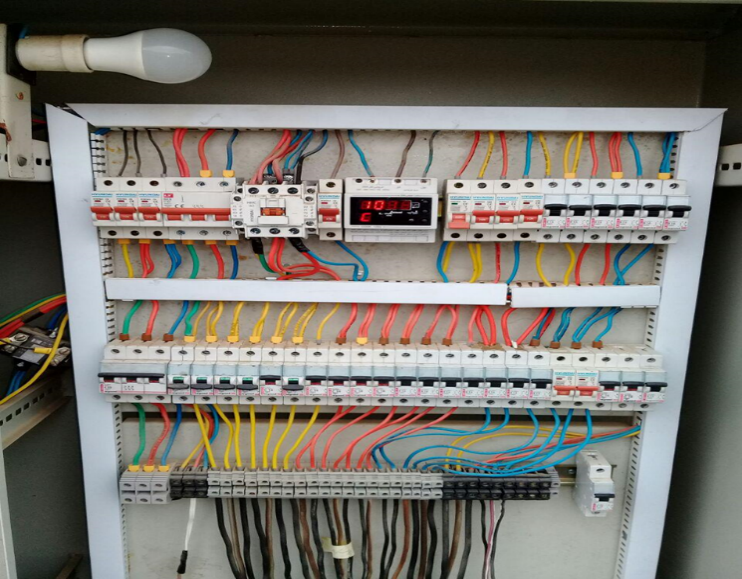
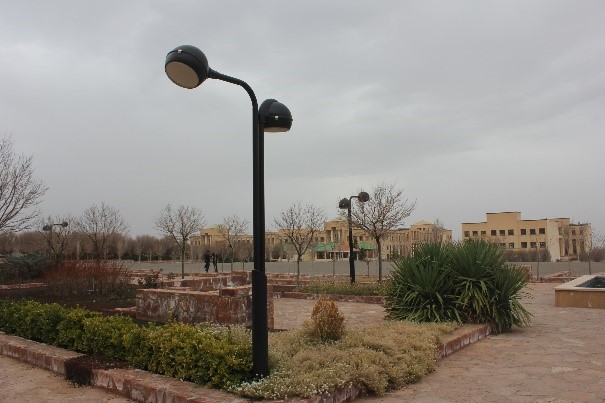
Hakim Sabzevari University has implemented several programs to optimize energy consumption:
- In the field of energy efficient appliances usage, the following steps have been taken:
- Replacing high-consumption projectors with SMD projectors in sports and workshop halls.
- Replacing high-consumption and fluorescent lamps with LED lamps in student dormitories and campus.
- Using astronomical clocks instead of photocells for fountain pumps and street lighting.
- Replacing single glazed iron windows with UPVC double glazed windows.
- Using the air curtain at the entrance of the dining halls.
- Replacing hot water coil source with the plate heat exchangers.
- Replacing unit heaters in sports halls with the infrared heaters.
- Replacing the open expansion tank with the closed one.
- Installing volumetric smart meters.
- Increasing the number of electricity meters.
- Creating cover for heating and cooling installations on the roof of the buildings.
- Using suitable materials for the construction of the buildings, is one of the another programs for energy consumption reduction. There are two buildings under construction inside the university campus, a training building and a dormitory with an area of 4280 m2 and 3500 m2, respectively. Some of these programs are outlined below:
- Using double-glazed windows.
- Using the Autoclaved Aerated Concrete (AAC) blocks in building walls.
- Using the lightweight concrete on the roof.
- Using the indigenous materials that are compatible with the climate of the area.
- Procurement of building materials from around the city with the aim of reducing the energy consumption to transfer materials and reducing the costs.
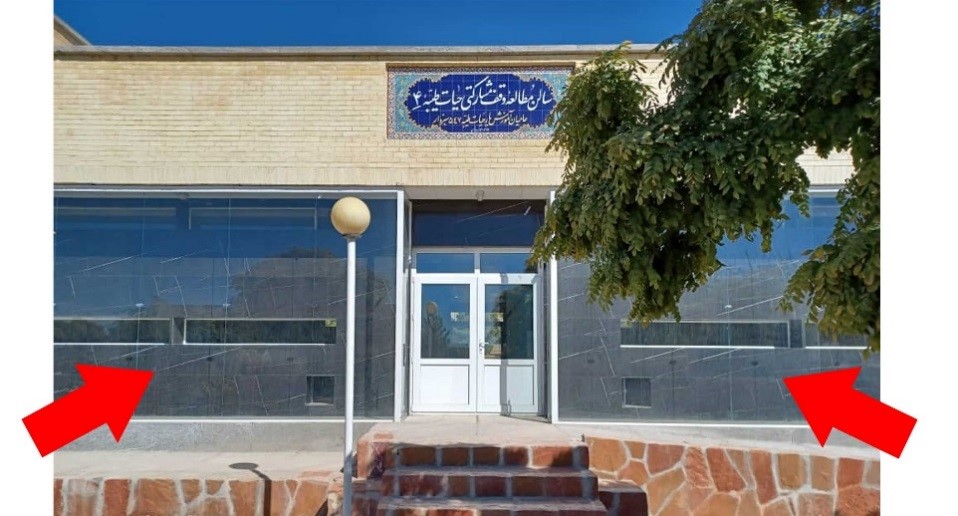
- Also, the Trombe wall was installed in the study hall in one of the dormitories with the aim of saving energy and advertising.
- The inefficient dormitory electrical installations were redesigned. Redesign of dormitory electrical facilities include following items:
- Removing the traditional telephone wiring and replacing it with networked telephones.
- Integration of normal and emergency power supply system to reduce cabling costs.
- Designing usage of solar panels on the roof of the dormitories to provide the required electrical energy for emergency lighting in the event of a power outage. To do this, the approximate duration of the power outage was estimated for one year, and based on this, the university was convinced to remove the diesel generator and replace the solar panel.
Optimal use of energy and space:
In recent years, the optimization of energy and space consumption is one of the most important programs of the Ministry of Sciences, Research and Technology of Iran. The following measures have been taken at Hakim Sabzevari University in this field:
- Integration of educational units in the special region:
The integration of educational units has been one of the main parts of this program. According to the Iranian domestic law, the Ministry of Sciences, Research and Technology commissioned 27 universities to manage universities and educational unites in their region in terms of teaching and research activities and spaces. The integration of universities was part of this program that was done with the approval of the main university. The purpose of this program was to optimize the use of energy, space and educational facilities.
Hakim Sabzevari University was one of the first universities to implement this program.
With the implementation of this program, the University of Modern Technologies was merged with Hakim Sabzevari University.
.Optimal use of available spaces:
Several programs have been implemented at Hakim Sabzevari University with the aim of making optimal use of spaces:
- Using the abandoned spaces of the university campus
For example, Innovation and Acceleration Center was created in an abandoned space.
The area allocated to the Innovation Center is about 420 m2, which was previously left unused.
- Creating and using the multifunctional spaces.
For example, the Innovation Center is also used for meetings. Prayer rooms are used in all university buildings for ceremonies, celebrations and exhibitions. Some of exhibitions and exams are held on campus open spaces, library, sidewalks or corridors.
- Creating the soundproof rooms to allow multiple activities to be performed simultaneously in one space.
Renewable energy sources in campus
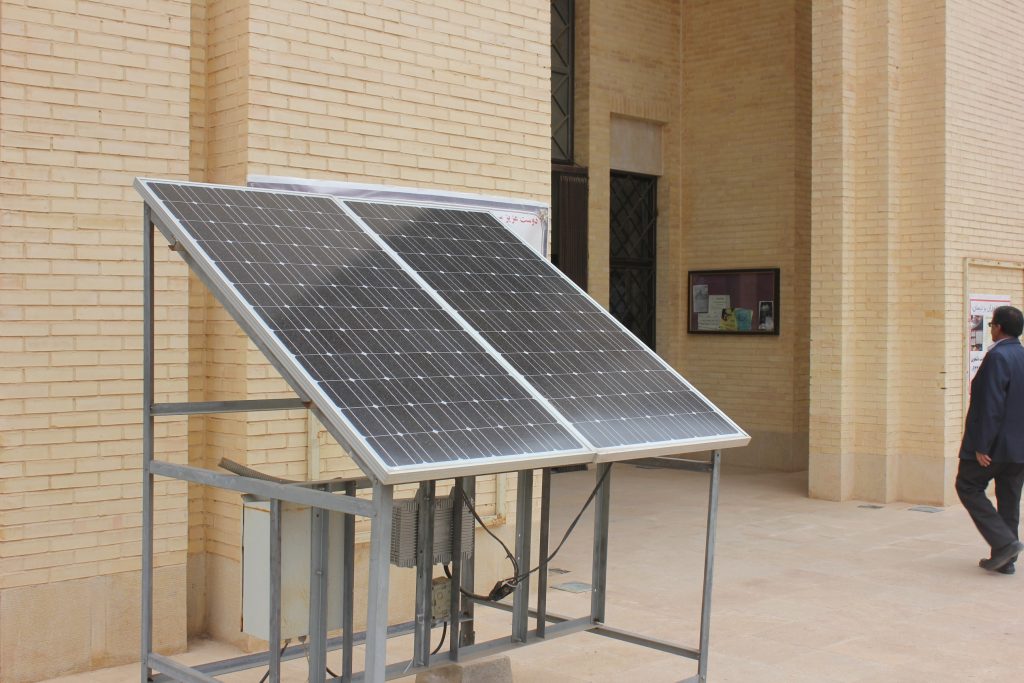
Hakim Sabzevari University still does not use renewable energy sources as a major source of energy production, but steps have been taken. In order to build a solar power plant at Hakim Sabzevari University, after examining the geographical and climatic conditions of the region and identifying the construction site, the arrangement of panels with the least shadowing effect approach has been calculated using the PVSYST software. After identifying the competent contractors, documents and tenders for the construction of a 222 kW solar power plant have been prepared. These documents were announced to the legal unit to announce the call for participation in the tender so that the necessary measures can be taken to insert the tender announcement.
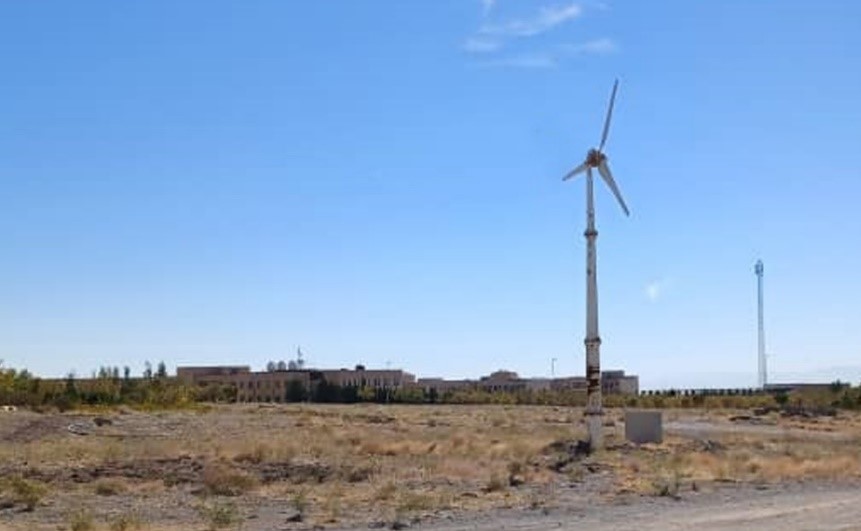
Other measures taken by Hakim Sabzevari University in the field of using new energy are designing and manufacturing a 2 kW solar panel in the Faculty of Engineering and using a solar power system for traffic lights at the campus. Also, as a practical sample, first sample of wind turbine was installed in the northern part of the university after climatic studies.
Greenhouse gas emission reduction program
Two main projects implemented at Hakim Sabzevari University for the reduction of greenhouse gas emission are:
- Changing the fuel of powerhouse from diesel to natural gas
- Trying to instil using bicycles and reduce the use of buses and private cars
- Creating a bike path from the university to the entrance of the city with a distance of about 7 km (This project was proposed and managed by Hakim Sabzevari University and implemented by the municipality)
Other actions in this field include:
- Making one of the powerhouses (Maryam dormitory) smart by installing thermal sensors in different areas
- Turning off the heating systems about one hour before the end of working hours
- Inspecting gas line insulation periodically
- Installing digital clocks for fountain pumps and heating systems
- Eliminating training classes from 6 to 8 pm
- Eliminating meetings and ceremonies on holidays
Recycling Program for University Waste
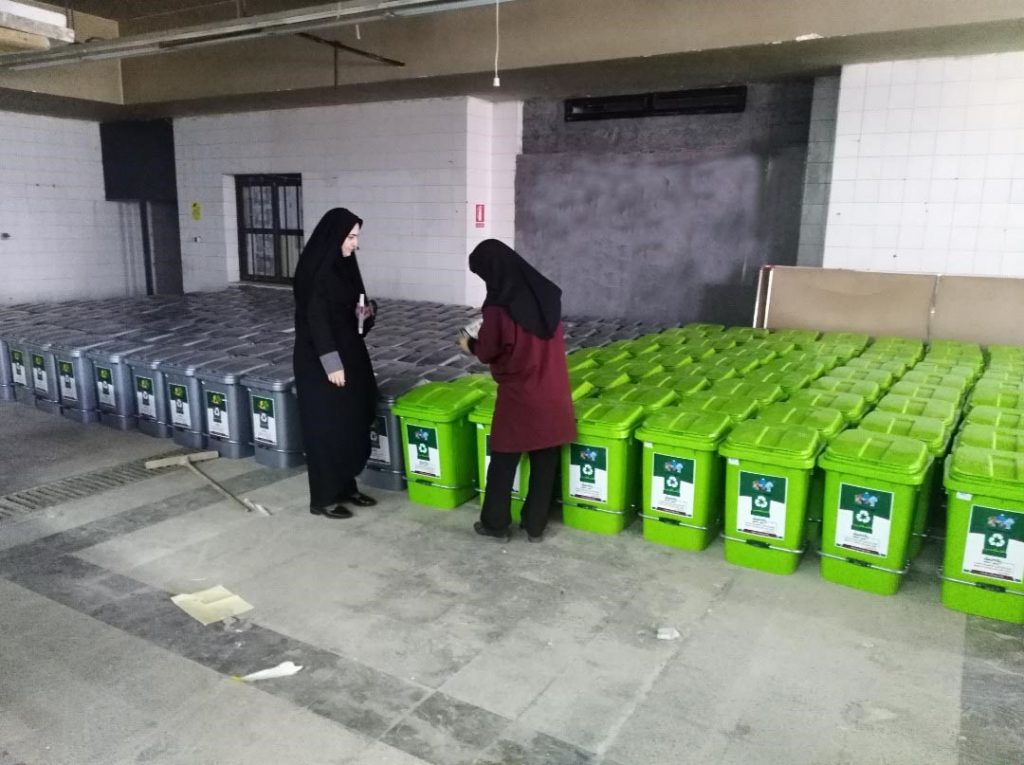
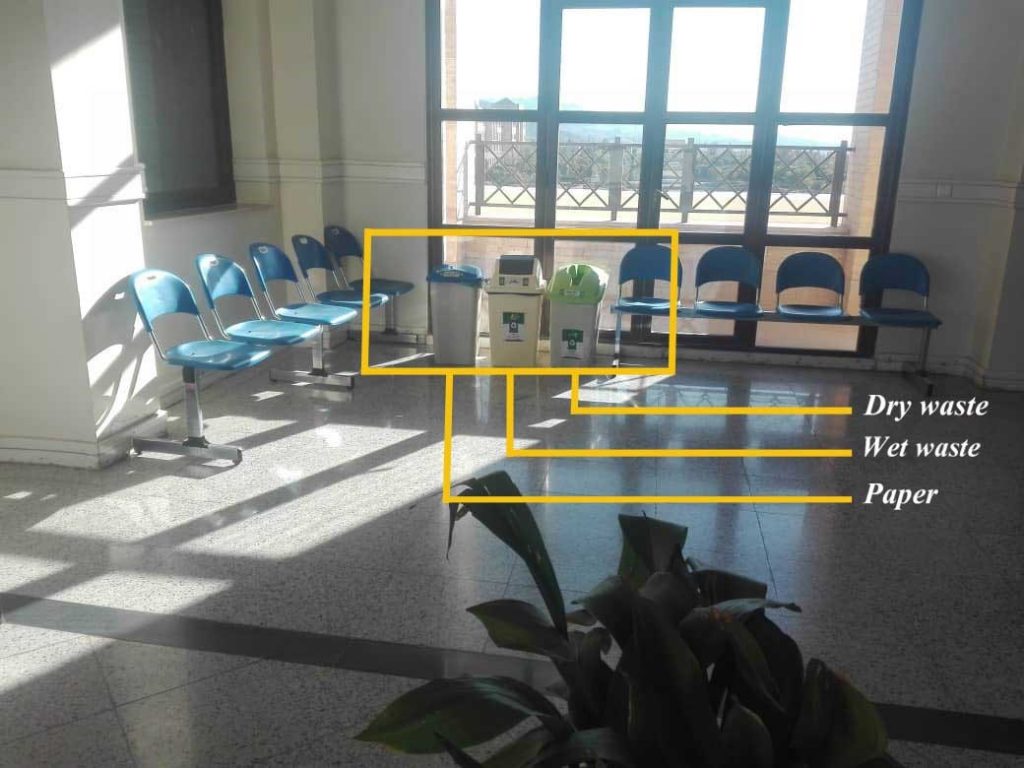
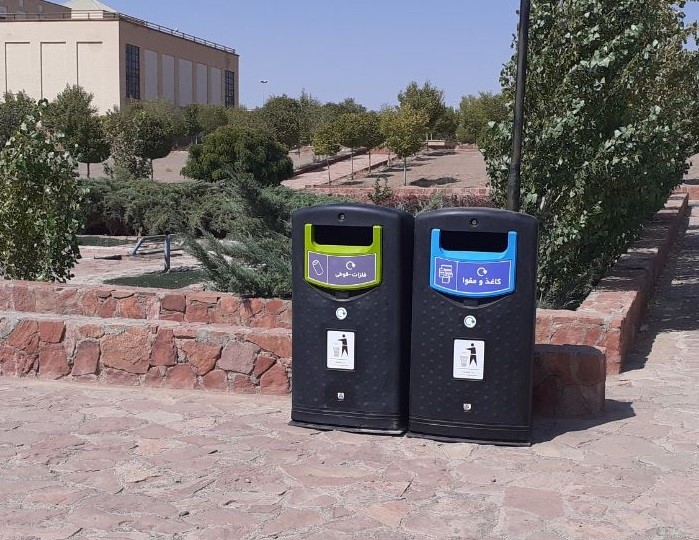
Some steps were taken by Hakim Sabzevari University in the field of waste management are holding of 5 training workshops to train service personnel in the dormitory, self-service, health and environmental liaisons in dormitories, as well as future plans to hold scientific conferences on this issue. Among the practical measures in this field have been the preparation recycle bins in student dormitories, training, research and open spaces of campus for wet, dry, dry bread and paper waste. In addition, a contract has been signed with a private sector contractor for waste separation. Also, Technological Unites of Incubator Center at Hakim Sabzevari University have significant activities in the field of sustainable development
HSU’s Incubator Center has 29 active companies, of which 8 companies are active in the field of sustainable development. The financial turnover of these 8 companies is more than 69 billion R (1,636,492 USD). Interestingly, three companies are active in the field of waste recycling.
Program to Reduce the Use of Paper and Plastic on Campus
The following programs are implemented at Hakim Sabzevari University for reduction of the use of paper and plastic:
- Eliminating the usage of paper in all interoffice correspondence and also with national and international organizations and replacing the digitals methods like local software automation
- Deleting the usage of disposable plastic products in all meetings and celebrations
- Replacing banners and paper advertisements with digital types
- Publishing Student publications electronically (PDF file and publication in students’ channels, university websites) and removing of paper forms
- Providing lecture contents on university website or personal website of lectures for students
Organic Waste Treatment
Considering the production of the organic waste in some laboratories, the plan of autoclaving and collecting of organic waste in a closed tank and transferring by a private company for treatment is implemented.
Inorganic Waste Treatment
For management of the inorganic waste, the following programs are implemented:
- Collecting of inorganic waste in a closed tank
- Autoclaving biological waste before collection
- Transferring by a private company for treatment
Toxic Waste Treatment
The following are the main measures taken by the university to preserve the environment against the toxic waste:
- Forbidding the use of some toxic materials such as ethidium bromide
- Collecting waste material in closed safe bottles
- Transferring by a private company for further treatment
Sewage Disposal
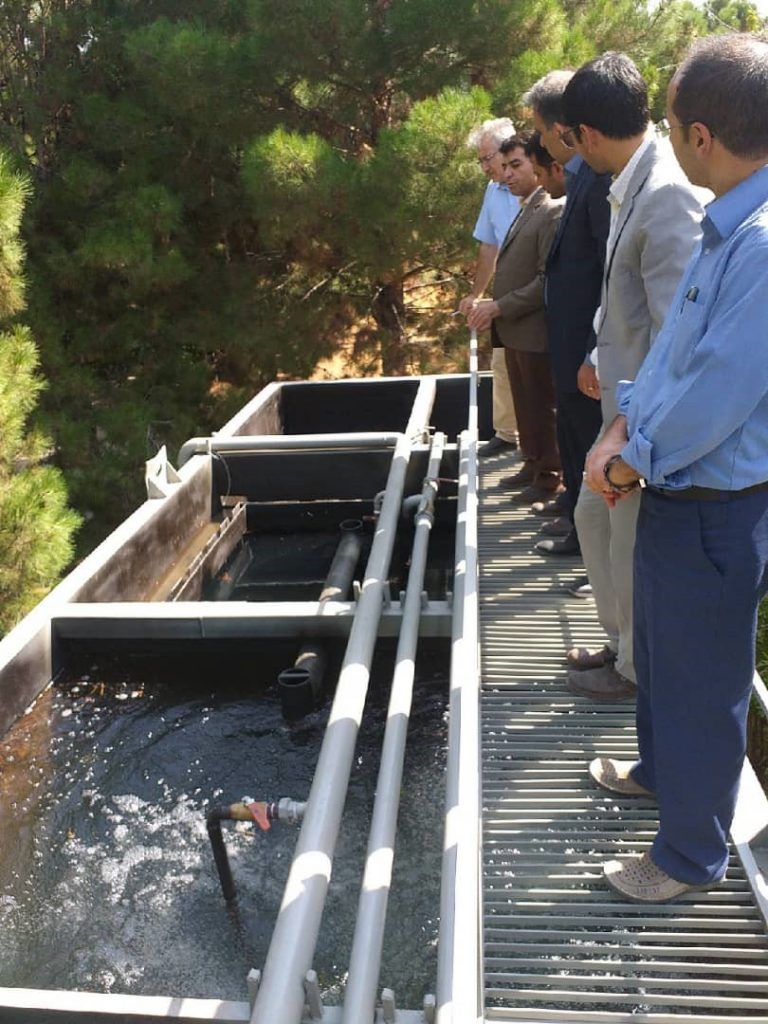
The university’s sanitary-human wastewater treatment project has been implemented in 4 phases and the first phase has been implemented in one of the dormitories (Valiasr dormitory). The purpose of the first phase is to use treated wastewater to irrigate the green space around the dormitory and reduce environmental pollution and save water. The effluent from the wastewater treatment package is directed to a storage source and then used to irrigate the green space of the dormitory area with an area of 8726 square meters. The amount of wastewater treatment by this package is 30 cubic meters per day, which will produce 9000 cubic meters of water for ten working months.
Water Conservation Program Implementation
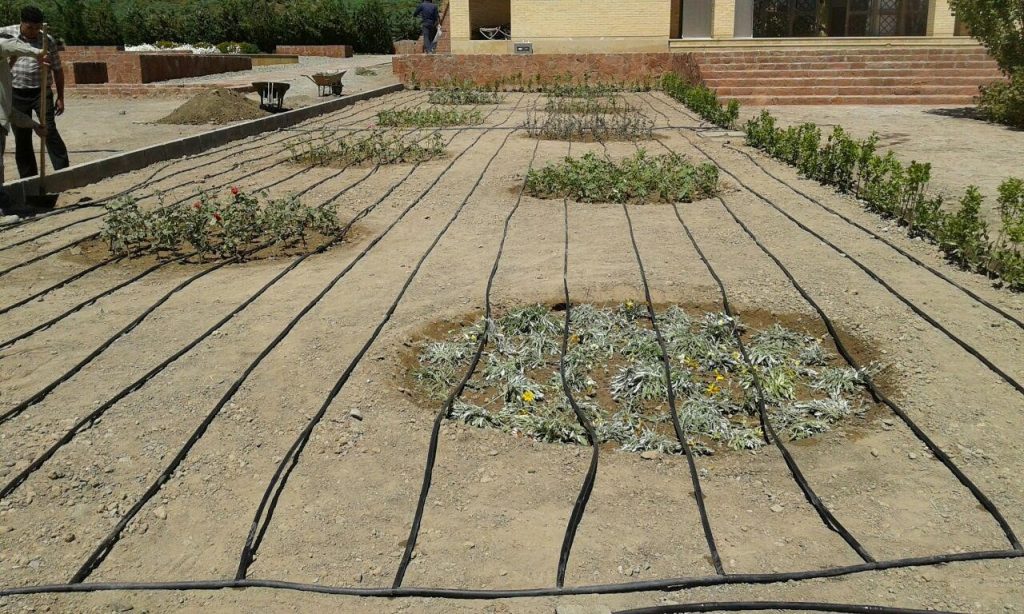
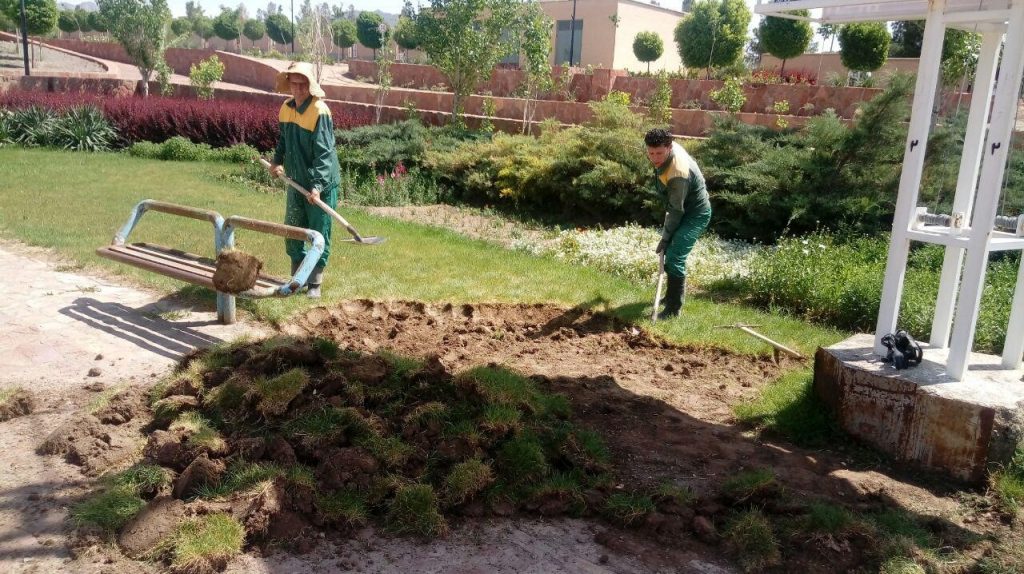
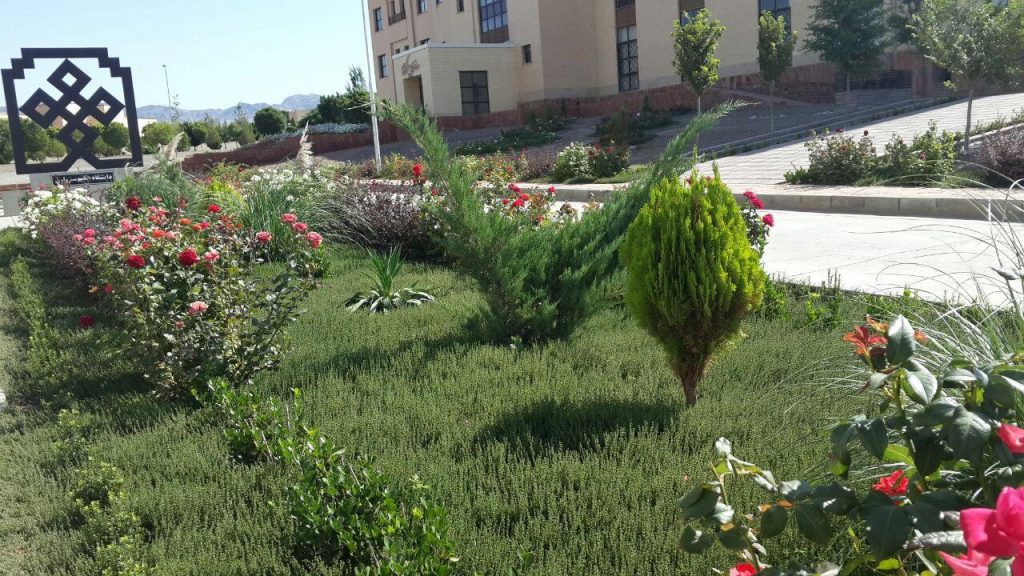
The main actions of Hakim Sabzevari University in the field of water conservation are the following:
- Implementation of drip irrigation plan
- Change of the cultivation pattern
- Periodic and monthly check of all valves in terms of water loss
- Six-month inspection of all water lines in terms of water loss
- Irrigation of trees in the last hours of the day to prevent water evaporation and reduce water consumption
- Increase irrigation intervals of trees from 7 days to 15 or 21 days
- Use of the natural resources such as preserving dry leaves on the ground to prevent water evaporation
- Using the artificial turf instead of natural grass
The main measures taken by the university to reduce water consumption are implementing drip irrigation plan, removing high-consumption grass from the central area, replacing the empty space created with colored sand and plants with low water requirements and medicinal properties such as Rosemary, Lavender, Fescues, and Frankenia. Following these actions, about one hundred thousand square meters of grass with high water consumption, whose water consumption in the hot days of the year was 12 liters per square meter, was removed. Half of the empty space created was covered with colored sand, and the other half was planted with plants that needed watering every 5 days. Also, irrigation of these plants was done by drip irrigation. These measures led to a 90% reduction in water consumption for irrigating green spaces (a reduction from 30,000,000 to 3,000,000 liters in 250 days).
Water Recycling Program Implementation
One of the main plans for Water recycling is to design and implement a management plan for collecting and using surface water. Due to the geographical conditions and the slope of the university and the location of the source at the lowest point, by creating a 27-meter-long canal and piping, all the university’s runoff, as well as the eastern runoff outside the university, will be directed to the surface water collection source. The transport of collected 2 km long water is done by a pump and a 160-polyethylene pipe to irrigate the green space and feed the groundwater.
At present more than 80% of surface water is recycled. In the cold seasons of the year, surface water is collected to feed groundwater and in the warm days of the year, it is used to irrigate green space.
Water Efficient Appliances Usage
Hakim Sabzevari University has taken the following steps to optimize water consumption:
- Installation of consumption reducers on all valves (about 300 cases)
- Replacement of high-consumption valves with low-consumption valves (100 cases)
- Installation of 40 meters with online consumption monitoring capability
- Supply of the necessary infrastructure to install 60 meters with the ability to monitor consumption online
- Installation of two smart meters to manage water abstraction from groundwater sources
- Replacement of resin softener with magnetic ones to prevent water loss during resin softener resuscitation
Zero Emission Vehicles (ZEV) Policy on Campus
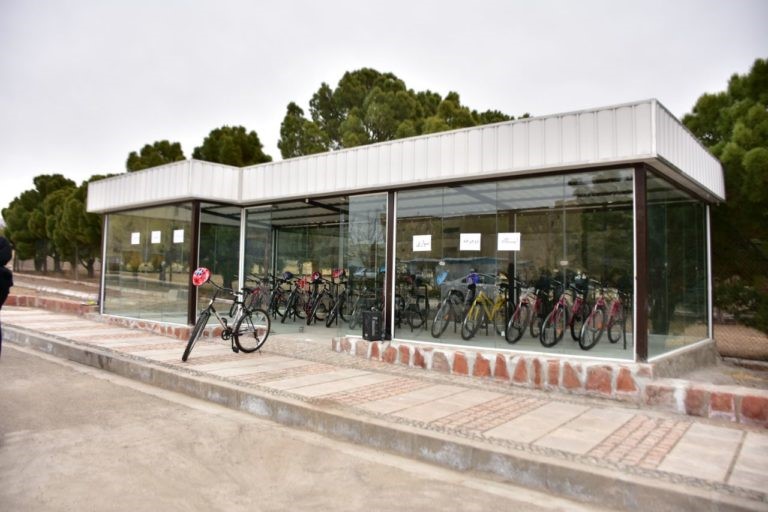
At Hakim Sabzevari University following programs are implementing as (ZEV) policy:
- Designing electric bicycle (e-bike) pilot
- Using usual bicycle by staff and students
- Designing car sharing mobile app. for transferring staff and students
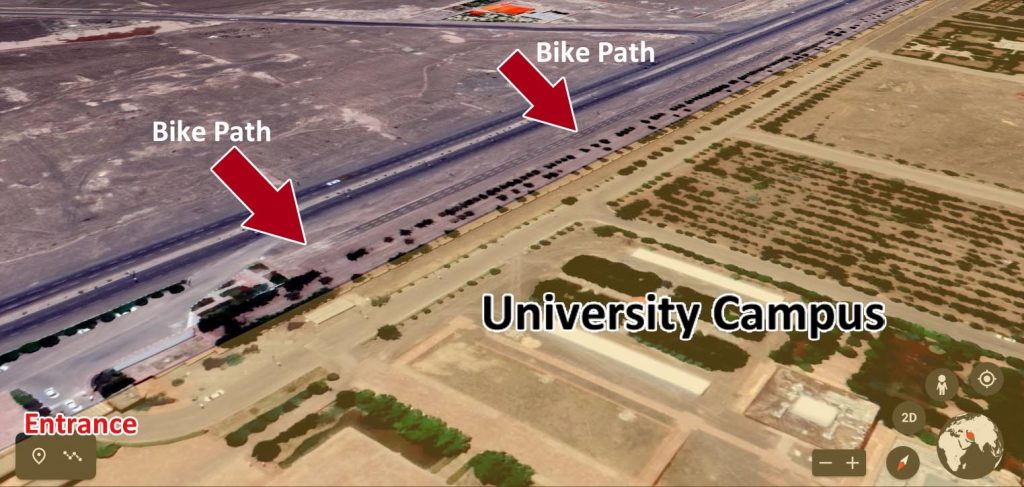
- Implementation of a bike path from the university to the entrance of the city.
The bike path is one of the joint projects between the university and the municipality. This project was proposed and managed by Hakim Sabzevari University and implemented and funded by the municipality. The bike path starts from the eastern entrance of the university and continues to the entrance of Sabzevar city on a distance of 7km.
Transportation program designed to limit or decrease the parking area on campus
In order to reduce the parking area on campus for the last 3 years, Hakim Sabzevari University has implemented the following programs:
- Implementing the pedestrian path policy on campus by increasing the space allocated to the sidewalk.
- Designing the parking area at the entrance of university for private vehicles.
- Restriction the entry of private vehicles to the campus.
- Designing parking area for shuttle services, outside the campus.
Number of transportation initiatives to decrease private vehicles on campus
The following topics are the main programs planned to decrease private vehicles on campus:
- Designing the parking area at the entrance of university for private vehicles
- Restriction the entry of private vehicles to the campus. This plan is implemented by tagging private vehicles of professors and staff and restricting the entry of unlabeled vehicles on campus.
Pedestrian Path Policy on Campus
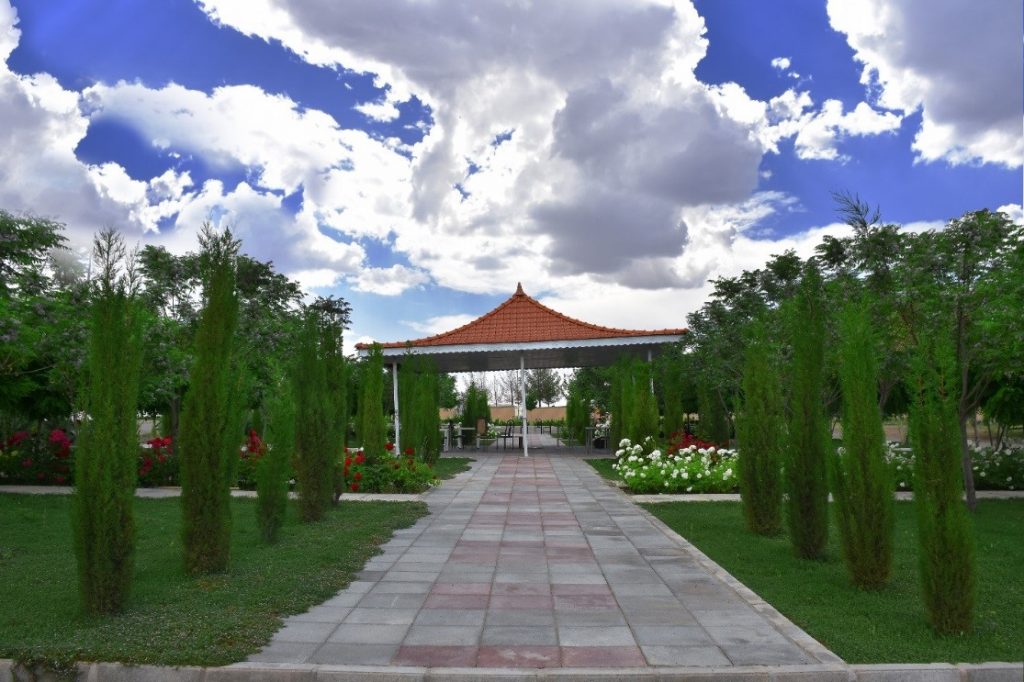
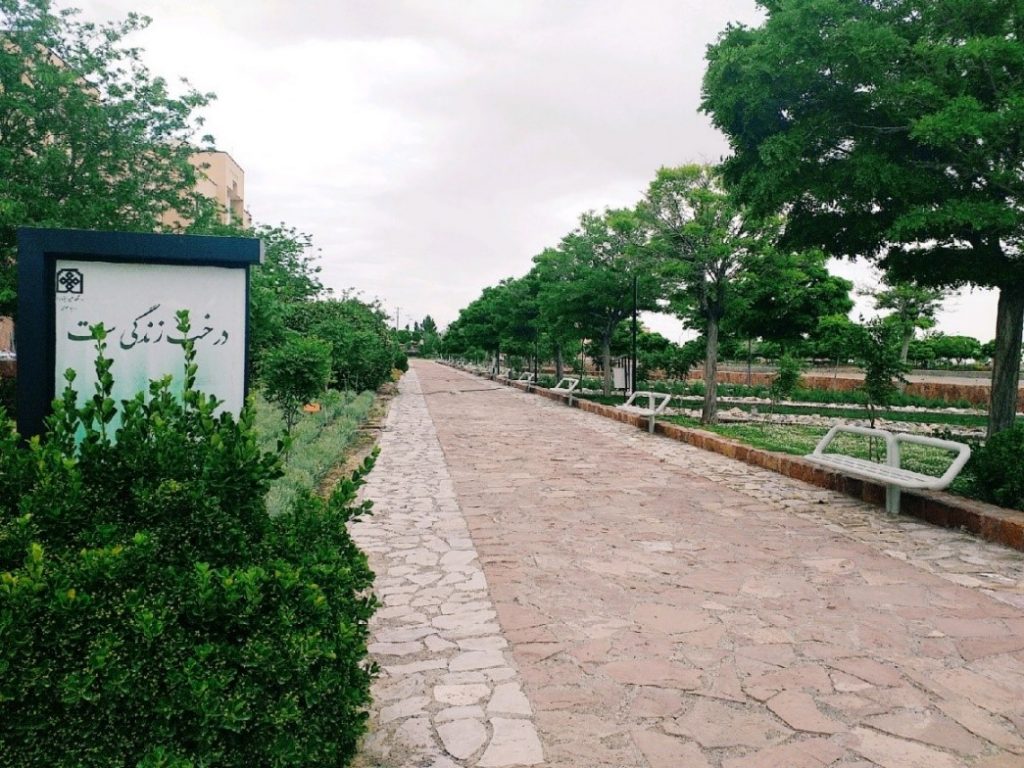
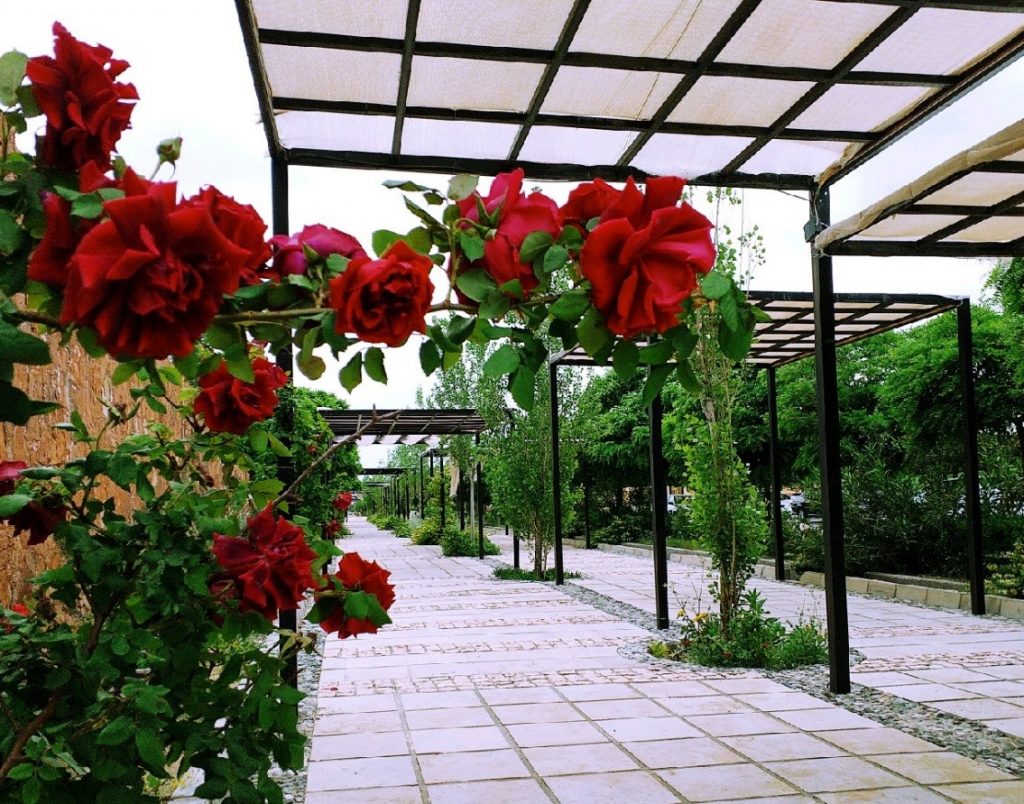
The implementation of the pedestrian path policy on campus is one of the main transportation programs pursued in last years. Currently, in university campus, the area allocated to the sidewalk is 59750 m2. The percentage of the pedestrian area divided by the open space area of Hakim Sabzevari University is 11.5.
Also, there is a sidewalk with a length of 560 meters outside the campus right next to the south wall of the university, where students live in dormitories.
Courses/Subjects Related to Sustainability Offered
Undergraduate: 35 majors – 56 related courses
Master’s degree: 57 majors – 17 related courses
Doctoral degree: 15 majors – 18 related courses
Total number of unique courses in the three levels: 1701
Total number of sustainability related courses: 91
The total number of sustainability related courses is 91 per semester. Some of them are listed below:
- Energy and Sustainable Development – Undergraduate – Civil engineering
- Sustainable Development in Construction – Master degree – Civil Engineering
- Compatible ecosystem – Undergraduate – Biology
- Understanding the environment – Undergraduate – Biology
- Principles of diversity and biology of conservation – Undergraduate – Biology
- Principles of water and industrial wastewater treatment – Undergraduate – Chemistry
- Human, nature, and architecture – Undergraduate – Architecture
- Energy and Architectural design – Undergraduate – Architecture
- Architecture and climate- Undergraduate – Architecture
- Management of sustainable socio-economic development – Master degree – Geography
Ongoing programs in the field of sustainable development
- Faculty of Geography at Hakim Sabzevari University Setting up West Khorasan Geopark:
Hakim Sabzevari University has established a geopark with the aim of influencing its surroundings and protecting the natural, historical and cultural heritage of the region. This plan will be implemented in several phases. The related studies have been completed as the first stage. Geopark is an area with several interesting geological situations that shows the geological history of the area and events or processes which are valuable in terms of archeology, ecology, history or civilization. Sabzevar has geotourism potential by its oldest human activities, fungal landforms, alluvial fans and tectonic impact on them, wind compaction landforms, ophiolites of mélange, mines such as chromite, management of natural facilities such as watershed management and dyeing. In addition, the ancient human history of the region such as the Silk Road And Azar Barzin Mehr Fire Temple and Khosrow Jerd Minaret and Shah Abbasi Caravanserai, the first research stations in the country, the date of establishment of the first Shiite government of Sarbadars in Iran are all indications of a unique area to create a geopark.
Establishment of a UNESCO Chair in the field of “Water Scarcity Adaptation in Arid and Semi-Arid Areas”:
Creating a UNESCO chair in the field of “Water Scarcity Adaptation in Arid and Semi-Arid Areas”is one of the programs of Hakim Sabzevari University. Due to the enormous stresses imposed on the society and water scarcity, Hakim Sabzevari University is willing to develop their international scientific cooperation to cultivate the ability of solving the problems that the community is encountered.